
November 24, 2025
From data to action: How the action planning tool empowers countries to tackle plastic pollution based on robust evidence
Effective action begins with solid evidence and inclusive engagement. The Action Planning Tool on the 🌐 Global Plastics Hub provides step-by-step guidance, robust data, and case studies, to support countries to develop national action plans and strategies based on best available evidence.
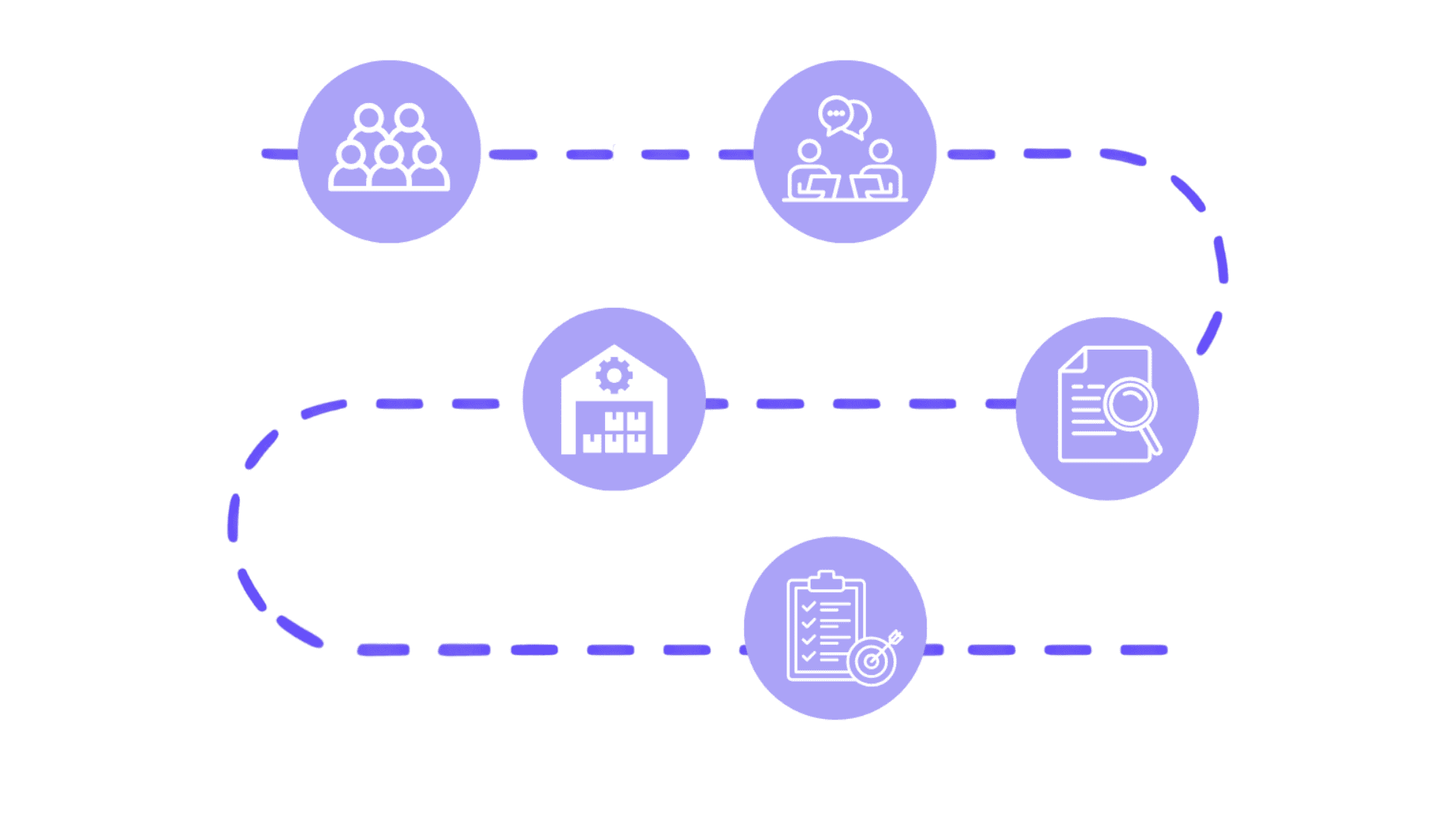
It is structured in five key steps that guide countries through a systematic and inclusive planning process:
👥 1. National steering committee & Project Team. Establishing a national steering committee or working group across agencies and ministries provides a mechanism for participatory decision making and ownership. This group meets regularly to guide drafting and implementation of the action plan.
🗣️ 2. Stakeholder consultations. Conduct a series of consultations to understand the challenges faced by various stakeholders and highlight the opportunities and roles they can play. This is crucial to identify the impacts and effectiveness of proposed activities in the national action plan and ensures all relevant sectors and stakeholders are engaged to shape solutions.
📜 3. Legislative and policy review. Conduct a comprehensive review and analysis of the national legislative and policy landscape on marine litter and plastic pollution. This helps identify legislative gaps and enforcement challenges, and informs the actions needed for effective policy implementation.
🧾 4. National source inventory. Map and compile all relevant country data and data sources, gaps, and responsible agencies along the plastics lifecycle into a national source inventory, to establish a baseline, monitor progress. This lays the foundation for systematic national data management, to address data gaps, inform effective policies and actions and track effectiveness.
🛣️ 5. National action plan or strategy. Use the evidence and insights gained in previous steps and the national source inventory to develop a national action plan, strategy, or roadmap based on robust evidence and stakeholder engagement. Possible policy options and inspiring case studies guide this last step of the workflow. The draft plan is validated through a multi-stakeholder process to ensure alignment and ownership and can then be formally adopted through parliament or guide further action.
UNEP has successfully piloted the action planning tool for evidence-based national planning on plastic pollution in 19 countries in three regions, demonstrating country ownership, cross-sector collaboration, and effectiveness of the approach to strengthen national capacities, foster inclusive stakeholder engagement, and guide the development of actionable strategies. In early 2025, Trinidad and Tobago validated their National Roadmap on Plastic Pollution, while Ecuador endorsed their National Plastic Waste Reduction Plan, becoming the first two countries to successfully apply all workflow steps to develop robust and inclusive national plans.
👉 Sign up for the Global Plastics Hub to use the Action Planning Tool to draft your national action plan on plastic pollution!